


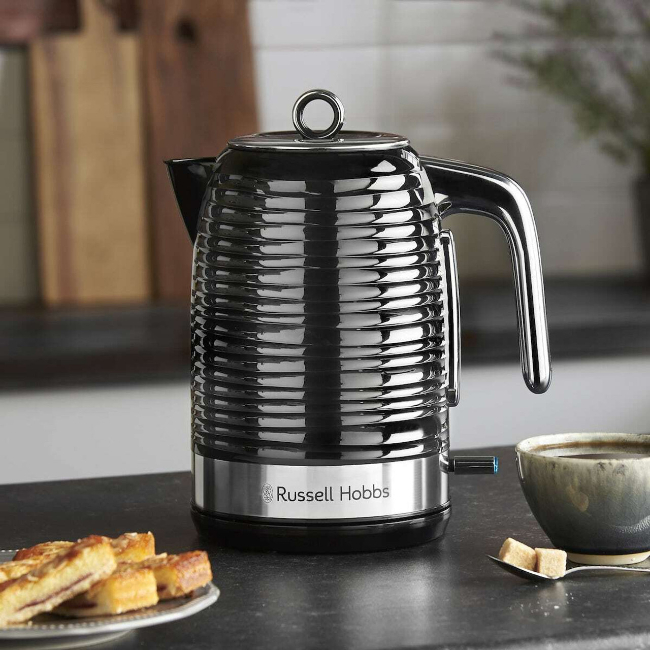
Is Metal or Plastic Better for a Kettle?
Key Takeaways
Stainless steel and borosilicate glass are generally a better choice than plastic for an electric kettle that boils water every day.
Plastic kettles are cheaper and lighter, but the interior can affect taste and may release small amounts of chemicals or microplastics over time.
The best electric kettles balance safety (BPA free, minimal plastic contact), energy efficiency and long-term durability.
Whatever material you choose, look for safety basics such as automatic shut-off and boil-dry protection.
If you're shopping for a new model, our range of kettles includes stainless steel, glass and plastic options across every budget.
Why Kettle Material Matters
Most households now rely on an electric kettle to boil water several times a day. With so much daily use, choosing the right kettles isn't just about price or looks, it's about what happens inside the kettle every time it boils. The boiling water sits in direct contact with the interior surface, whether that's stainless steel, plastic or borosilicate glass, so material affects safety and taste more here than in most other appliances.
This guide compares the two main contenders, metal (almost always stainless steel) and plastic, with glass and ceramic as useful reference points, covering safety, taste, durability, energy use and value for money.
Quick Answer: Metal vs Plastic
For most people who boil water daily, a stainless steel or borosilicate glass kettle is the better choice over plastic:
Safety: metal and glass are inert at boiling temperatures, avoiding the chemical-leaching and microplastic questions some plastics raise.
Taste: boiled water from steel or glass is generally cleaner-tasting, with no plasticky odour on first use.
Durability and cleaning: metal resists cracking and staining far better than plastic over years of daily use.
Budget: plastic kettles can still suit tight budgets, student housing or travel, where intensity of use is low.
Plastic Kettles: Pros, Cons, and Safety Concerns
Plastic kettles are lightweight, affordable and widely available, with cool-touch exteriors that suit elderly users or anyone with limited grip strength. The trade-offs are real, though: repeated heating can lead to chemical migration, possible microplastic release, more noticeable odours, and a shorter practical lifespan than a quality stainless steel model.
“BPA free” means no bisphenol A specifically, but the plastic can still contain other bisphenols or plasticisers, so the label isn't automatically “risk free” for a kettle used daily.
Plastic can still suit students, rentals and travel; if you do choose it, avoid reboiling old water and replace the kettle at the first sign of cracks or a persistent plastic smell.
Metal Kettles (Stainless Steel): Why They're Usually Better
A “metal kettle” for home use almost always means stainless steel rather than aluminium or copper, and it's the benchmark material in most kettles reviews. Steel offers excellent durability, strong corrosion resistance, no plastic taste, and good heat retention once it boils water. Look for 18/8 or 18/10 grades, the chromium and nickel content that helps the interior resist pitting and discolouration over years of use.
Drawbacks: the exterior can get hot to the touch, it's slightly heavier than plastic, and it shows fingerprints or limescale marks more visibly.
For daily tea and coffee drinkers, stainless steel is usually the best material, especially paired with temperature control and reliable boil-dry protection.
Glass and Ceramic: Where Do They Fit In?
Borosilicate glass and ceramic kettles are popular “plastic-free” alternatives. Glass is highly chemical-resistant and doesn't affect taste, though it's more fragile than steel and sometimes pricier. Ceramic has a classic look and suits anyone sensitive to a metallic taste, but it's heavier and slower to heat. Even glass and ceramic kettles can hide plastic in lids or spout filters, so check these parts if minimising plastic matters to you.
Safety, Taste, and Everyday Experience
Research has looked at microplastics and nanoparticles released by some plastic kettles during repeated boiling, with certain studies reporting high particle counts, particularly during the first few boils, and ongoing low-level release over a kettle's life. Concerns extend beyond BPA to other bisphenols and phthalates, and regulations vary between regions. Metal, glass and ceramic interiors are generally inert at boiling temperatures and far less likely to release microplastics.
Choose a kettle where boiling water only touches stainless steel or borosilicate glass, and rinse plus boil-dump a new kettle's first few cycles.
Many people notice the difference by taste alone: plastic kettles can have a noticeable odour on first use and lingering taste, while steel and glass stay neutral and clean.
Energy Efficiency and Durability
Energy efficiency depends mainly on wattage, capacity and how much water you boil, with material playing a smaller role; a 2200–3000W kettle typically boils 1.7 litres in 3–5 minutes. Stainless steel and glass kettles with a flat, concealed element transfer heat slightly more efficiently than thick plastic, though the difference is minor compared with only boiling what you need.
On durability, stainless steel kettles often last three to seven years or more with regular descaling, while cheaper plastic kettles more often show cracks, discolouration or lid failures sooner. Steel is also easier to recycle as metal, while mixed-material plastic kettles should go to an e-waste point rather than general rubbish.
How to Choose the Best Electric Kettle
Choose a stainless steel or borosilicate glass interior wherever possible, with “BPA free” certification on any plastic parts.
Look for automatic shut-off, boil-dry protection, a comfortable handle and clear water-level markings.
Around 1.7 litres and 2000–3000W suits most households wanting a fast boil without excessive energy use.
Spending a little more on a durable metal kettle can be cheaper over three to five years than repeatedly replacing a budget plastic one.
Established brands such as Smeg, Russell Hobbs, DeLonghi and Morphy Richards all offer stainless steel and glass options across a range of budgets, so it's worth comparing a few before deciding, matched to your own boiling habits.
Conclusion
For most people who boil water every day, a stainless steel or borosilicate glass electric kettle is the better choice over plastic for safety, taste and durability. Plastic can still make sense for limited, low-intensity use, but it's not ideal long-term if water quality and flavour matter to you. Choosing a safer-material kettle now means better cups of tea and coffee for years to come.
FAQ
Is it safe to drink water boiled in a plastic kettle every day?
Most modern plastic kettles sold in the EU, UK and US meet current regulatory standards, but repeated daily boiling can still release small amounts of microplastics and chemicals over time. Switching to a stainless steel or glass interior offers extra peace of mind, particularly for households with children or pregnant people, and any kettle with a strong plastic odour or visible cracking should be replaced.
Does reboiling water in a kettle make it less safe?
Reboiling itself doesn't suddenly make water toxic, but repeatedly boiling small volumes in a plastic kettle may increase contact time and the potential for leaching, and can concentrate minerals slightly, contributing to limescale and off-tastes. For the best flavour, boil only what you need, starting with fresh, cold water in a metal or glass kettle.
Can stainless steel kettles rust or affect water taste?
Quality 18/8 or 18/10 stainless steel is highly rust-resistant and shouldn't noticeably affect taste if properly manufactured. Occasional small spots are usually limescale rather than rust and can be removed with a descaling solution or vinegar; choosing a reputable brand and rinsing before first use avoids any initial metallic note.
What's the easiest kettle material to keep clean?
Stainless steel and borosilicate glass are usually easiest to descale and wipe down, since neither absorbs smells or stains. A basic routine of monthly descaling in hard water areas, plus a weekly wipe of the exterior, keeps any kettle in good condition regardless of material.
Related Reading
For more help choosing the right appliance, see our A Guide to Buying the Best Kettle, or, if you're after a matching set, take a look at The Ultimate Guide to Kettle and Toaster Sets.